Apple TV Fans Are Still Waiting, and It's Getting Awkward
If you've been holding out for a new Apple TV 4K, I have bad news: your patience is being tested in ways that would make Job himself wince. Apple's recent "Special Experience" event came and went without the hardware refresh everyone expected. No new Apple TV. No updated HomePod mini. Just a whole lot of disappointed home theater enthusiasts wondering what the hell is going on in Cupertino.
The Great Apple TV No-Show
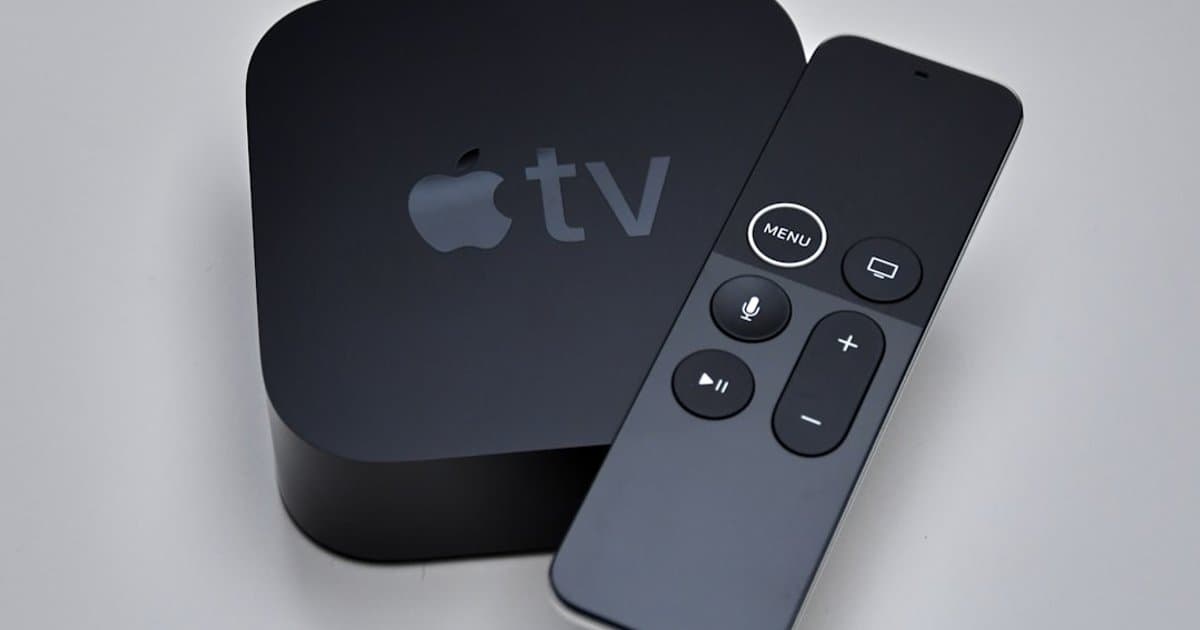
Let's get the facts straight. Apple just held an event, and the Apple TV 4K — which hasn't been meaningfully updated since 2022 — was nowhere to be found. According to What Hi-Fi?, patience did not pay off for those waiting on an announcement. The HomePod mini, which launched back in 2020, also failed to make an appearance.
This isn't just a minor delay. We're talking about products that are overdue for refreshes by anyone's standards. The current Apple TV 4K runs on the A15 Bionic chip, which is perfectly capable but hardly cutting-edge when Apple is shipping phones with A18 chips. The streaming box market hasn't exactly stood still either, with competitors offering features Apple's box still lacks.
Why Siri Might Be the Real Problem
Here's where it gets interesting. Multiple sources are pointing to Siri as the culprit behind these delays. MacRumors and Gadget Hacks both suggest that AI changes are holding up the release of both the Apple TV and HomePod mini. And honestly? That tracks.
Apple is in the middle of a massive AI overhaul with Apple Intelligence. They've been retrofitting Siri with large language model capabilities, trying to make it actually useful after years of being the butt of voice assistant jokes. The last thing Apple wants is to ship new home devices with the old, frustrating Siri experience when they're months away from having something genuinely better.
According to reports, there were even Siri issues during Apple's device presentation itself — which is both ironic and telling. If Siri can't handle a controlled demo environment, why would Apple rush to embed it in new hardware?
What Apple TV Needs to Actually Compete
Let's talk about what a 2026 Apple TV should bring to the table, because the wish list is long. Apple's home cinema offering has been stuck in a weird middle ground — too expensive to be a casual purchase, not feature-complete enough to satisfy enthusiasts.
The basics are obvious:
- A newer chip (A17 or A18 would be appropriate)
- WiFi 6E or WiFi 7 support
- HDMI 2.1 with full bandwidth (for 4K/120Hz gaming)
- More storage options (128GB base would be nice)
But the real opportunity is in software intelligence. Imagine an Apple TV that:
// Hypothetical Siri integration
struct SmartHomeTheaterControl {
    func optimizeForContent(type: ContentType) {
        switch type {
        case .movie:
            adjustLighting(to: .cinema)
            setAudioMode(to: .dolbyAtmos)
            closeShades()
        case .sports:
            increaseBrightness()
            enhanceCommentary()
        case .gaming:
            enableLowLatency()
            optimizeHDR()
        }
    }
}
A truly smart Apple TV would understand context. It would know you're watching a thriller and automatically dim the lights. It would recognize a sports broadcast and adjust audio settings to emphasize crowd noise. This is the kind of ambient intelligence Apple should be building toward — and it requires Siri that doesn't suck.
The HomePod Mini Deserves Better Too
The HomePod mini has been completely static since 2020. No new colors (well, a few), no meaningful feature additions, nothing. It's a good speaker for $99, but it could be so much more.
What the next HomePod mini needs:
- Better Siri (obviously)
- Matter support that actually works seamlessly
- Spatial audio improvements
- Thread border router capabilities that don't feel like an afterthought
The smart home market has matured significantly since 2020. Google and Amazon have iterated multiple times. Apple's standing still isn't strategic patience — it's falling behind.
Why the Delay Actually Makes Sense
As frustrating as this is for consumers ready to upgrade, I get why Apple is holding back. Shipping hardware in 2025 with 2023-era AI capabilities would be a mistake. These are products people keep for 5-7 years. The Apple TV in your living room needs to feel modern not just at launch, but for years afterward.
Apple is betting that waiting to integrate proper Apple Intelligence into these devices is worth the delay. They're probably right. Nobody wants to buy a $149 streaming box only to have Apple release a "we fixed Siri, finally" update six months later that makes the hardware feel immediately outdated.
The alternative scenario — shipping now and updating later — sounds fine in theory:
# Software update approach
class AppleTV:
    def __init__(self, siri_version="legacy"):
        self.siri = siri_version

    def update_siri(self, new_version):
        self.siri = new_version
        # But does this feel the same as hardware designed for it?
But we all know software updates on existing hardware never feel quite the same as products designed from the ground up with new capabilities in mind.
What This Means for Apple's Home Strategy
Apple's home product lineup has always been the weird stepchild of their ecosystem. They dominate phones, they're strong in tablets and computers, their wearables are category leaders — but home? It's been half-hearted at best.
The fact that both the Apple TV and HomePod mini are delayed for the same reason (Siri/AI improvements) suggests Apple might finally be taking this category seriously. They're not just refreshing chips and calling it a day. They're rethinking what these devices should do in an AI-first world.
That's either going to pay off spectacularly or result in products that ship late and still disappoint. There's not much middle ground here.
The Bottom Line
The new Apple TV 4K and HomePod mini are MIA because Apple is rebuilding Siri from the ground up, and they don't want to ship half-baked hardware. It's frustrating if you're ready to buy now, but probably the right call long-term.
When these products finally arrive — likely later in 2025 or early 2026 — they need to justify the wait with genuinely intelligent features, not just spec bumps. Apple has one shot to make their home products relevant again. Let's hope they don't waste it.