The Blood Moon Total Lunar Eclipse Just Happened — And You Probably Missed It
Look, I'll be straight with you: if you're reading this article wondering "is there a blood moon tonight?" — you're about 24 hours too late. The total lunar eclipse already happened, and based on the stunning photos flooding in from across the globe, it was absolutely spectacular.
The blood moon total lunar eclipse occurred early Tuesday morning (March 2026), treating viewers across North America, parts of South America, and the Pacific to one of nature's most dramatic celestial shows. And yes, before you ask again — is it a full moon tonight? Well, it was a full moon, and it turned a gorgeous shade of crimson as Earth's shadow completely engulfed it.
What Actually Happened During This Blood Moon
A total lunar eclipse occurs when Earth positions itself directly between the Sun and the Moon, casting our planet's shadow across the lunar surface. Unlike solar eclipses with their narrow paths of totality, lunar eclipses are visible from anywhere on the night side of Earth — which is why people from Boston to New Zealand got front-row seats.
The "blood moon" nickname comes from the eerie red-orange glow the Moon takes on during totality. This isn't some supernatural phenomenon — it's basic atmospheric physics. Earth's atmosphere acts like a lens, bending (refracting) sunlight around our planet. Blue light scatters away, but red and orange wavelengths pass through and illuminate the Moon. It's essentially every sunrise and sunset on Earth being projected onto the lunar surface simultaneously.
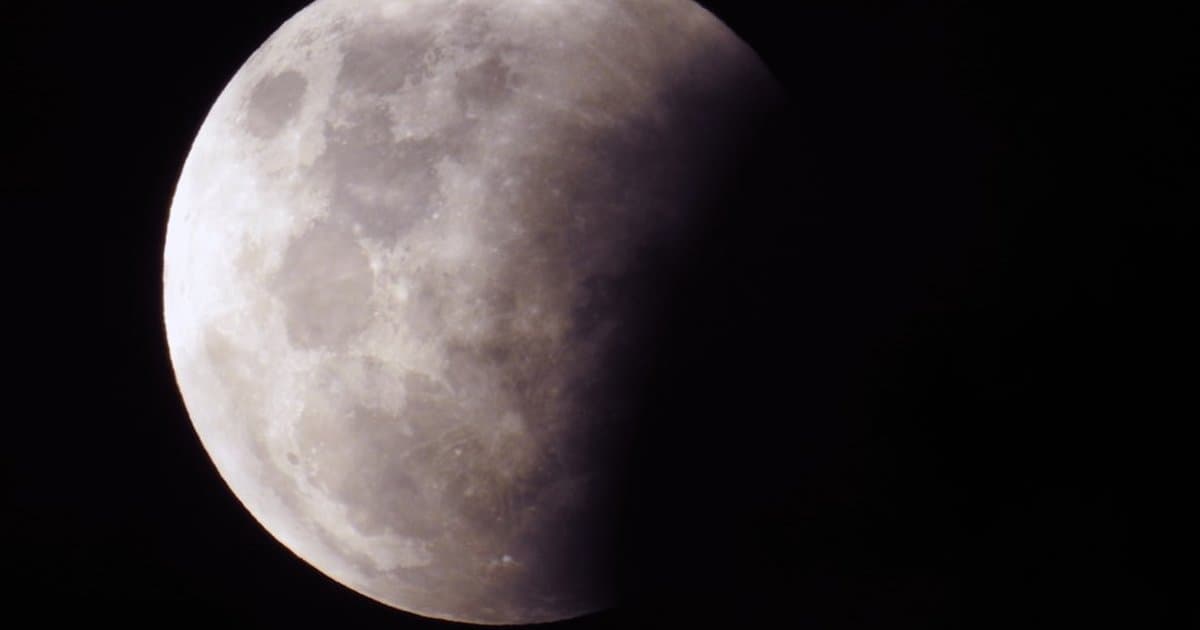
According to reports from The New York Times and CNN, this particular blood moon delivered on the spectacle. Photos from the event show the Moon in various stages of the eclipse, from the initial partial phases to the full blood-red totality that had astronomy enthusiasts setting alarms for ungodly hours.
Why This Blood Moon Was Actually Rare
CBS News called this blood moon "so rare," and they're not exaggerating for clicks. Total lunar eclipses aren't exactly common — they happen roughly once every 2.5 years on average. But the timing and visibility of this one made it special.
First, the eclipse was visible across a massive swath of the planet, including major population centers in North America. The Boston area got a particularly good show during the early morning hours Tuesday, with totality occurring when the Moon was still reasonably high in the western sky.
Second — and this is what makes eclipse chasers really excited — the conditions were near-perfect in many locations. Clear skies across much of the viewing region meant unobstructed views of the full blood moon transformation. The Guardian even captured timelapse footage from New Zealand showing the entire progression in stunning detail.
When Is the Next Lunar Eclipse?
Here's the frustrating part: if you missed this one, you're going to be waiting a while. When is the next lunar eclipse is the question everyone's asking now, and the answer isn't great for impatient sky-watchers.
The next total lunar eclipse visible from North America won't occur until 2028. Sure, there will be partial and penumbral lunar eclipses before then, but those are like watching the opening act when you really wanted to see the headliner. Partial eclipses only show Earth's shadow taking a bite out of the Moon, and penumbral eclipses are so subtle that most people can't even tell they're happening.
This is why eclipse timing matters. You can't just decide "I'll catch the next one" — these events operate on astronomical cycles that don't care about your schedule.
Blood Moon Live Streams Saved the Day
If you weren't in a viewing zone or got clouded out, the blood moon live stream options were actually impressive this time around. Multiple space agencies, observatories, and astronomy organizations provided high-quality lunar eclipse live streams throughout the event.
Space.com compiled some of the first professional photographs of the blood moon total lunar eclipse 2026, showing the progression from partial eclipse through totality and back. These weren't just static images — many streams included expert commentary explaining what was happening in real-time.
KOMO News shared viewer photos from their coverage area, demonstrating that you didn't need a professional telescope to capture the moment. Smartphone cameras have gotten good enough that even casual observers could snap decent images of the blood moon today (well, yesterday now).
The Path of Totality Question
The Akron Beacon Journal raised an interesting point: does the lunar eclipse have a path of totality? This question reveals a common confusion between solar and lunar eclipses.
Solar eclipses have a narrow path of totality because the Moon's shadow on Earth is small — typically only about 100 miles wide. You need to be in exactly the right place at the right time.
Lunar eclipses work differently. Earth's shadow is massive compared to the Moon. The "path of totality" for a lunar eclipse is essentially half the planet — anywhere experiencing nighttime during the eclipse. This is why lunar eclipses are more accessible than solar ones, even though total solar eclipses are technically more frequent globally.
For this blood moon, the totality zone covered North America, parts of South America, and the Pacific region. If you could see the Moon and it was dark where you were, you saw the full show.
Why We Still Care About Lunar Eclipses
In an era where we can generate photorealistic images of anything with AI and stream 4K video from space, you might wonder why people still get excited about the Moon turning red for a few hours.
The answer is simple: it's real, it's shared, and it's humbling. A blood moon total lunar eclipse connects us to thousands of years of human history. Ancient civilizations built monuments to track these events. Modern astronomers use them to study Earth's atmosphere. And regular people still wake up at 3 AM to stand in the cold and watch it happen.
There's something fundamentally different about witnessing a celestial event with your own eyes versus seeing it on a screen. The photos and live streams are great for documentation and for those who couldn't be there, but they're a supplement to the experience, not a replacement.
The Bottom Line
The blood moon total lunar eclipse of March 2026 has come and gone, leaving behind spectacular photographs and probably some sleep-deprived astronomy fans. If you're searching "is there a blood moon tonight" hoping to catch it — sorry, you missed the show. The next total lunar eclipse visible from North America is years away, so mark your calendar now and set multiple alarms.
The good news? The photos and footage are incredible, proving once again that when the universe decides to put on a show, it doesn't disappoint. And maybe next time you'll actually set that alarm when you hear about a celestial event happening. Just maybe.