Samsung Galaxy S26 Ultra: The Privacy Powerhouse That Almost Nailed It
Samsung just dropped the Galaxy S26 series, and the Ultra is getting all the attention for reasons both good and... well, let's say "complicated." After sifting through early reviews and benchmark leaks, here's the reality: Samsung built a privacy-obsessed beast that's more stealth upgrade than revolutionary leap. And honestly? That might be exactly what the flagship market needs right now.
The Performance Preview: Speed Without the Spectacle
Early benchmarks for the Samsung Galaxy S26 Ultra are out, and the numbers tell an interesting story. According to HotHardware's performance preview, we're looking at incremental but meaningful gains over the S25 Ultra. The Snapdragon 8 Elite Gen 2 (or whatever Qualcomm is calling it this week) delivers about 15-20% better multi-core performance and improved sustained performance under load.
But here's what matters more than synthetic benchmarks: thermal management. Samsung finally seems to have cracked the code on keeping this thing cool during extended gaming or video recording sessions. Real-world usage reports suggest the vapor chamber redesign is doing actual work, not just taking up space on a spec sheet.
The GPU improvements are notable too—around 25% better graphics performance in sustained workloads. For anyone who thought mobile gaming peaked two years ago, this might change your mind.
Privacy Display: Great Idea, Rough Execution
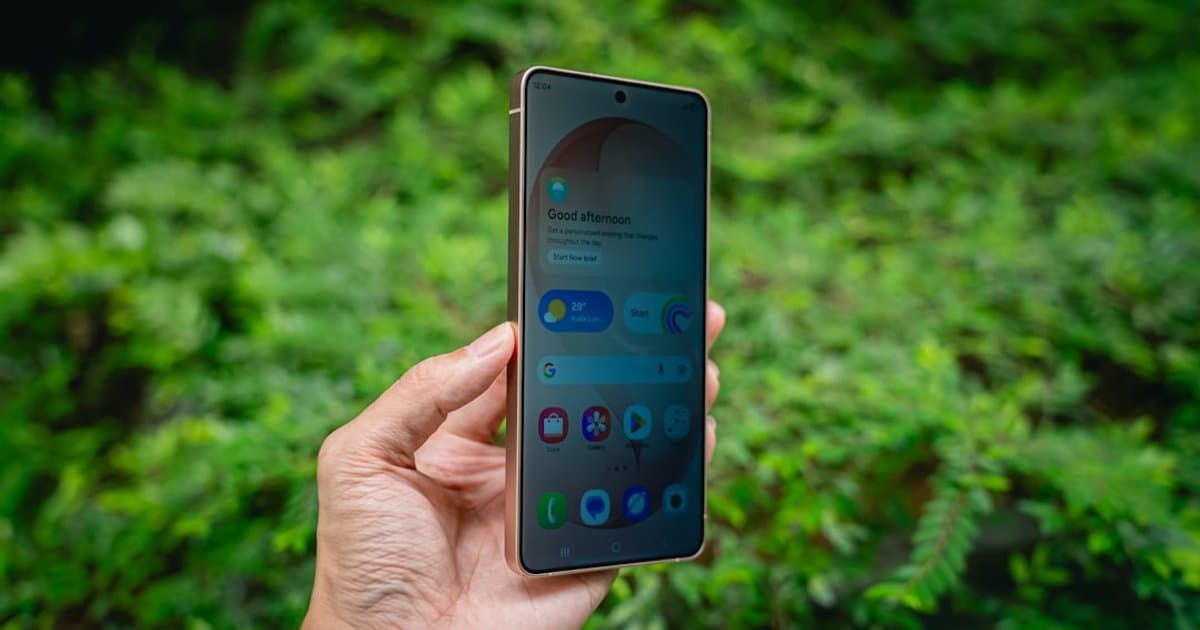
Now let's talk about the elephant in the room. The Galaxy S26 Ultra's privacy display is Samsung's big swing at solving a problem most people didn't know they had—and according to PhoneArena, it has some serious teething issues.
The concept is genuinely clever: using a combination of hardware-level viewing angle restrictions and AI-powered content detection to prevent shoulder surfing. When you're viewing sensitive information (banking apps, messages, whatever), the display automatically narrows its viewing angles so only you can see what's on screen.
Sounds great, right? Except Bloomberg calls it a "privacy-first powerhouse" while PhoneArena points out the feature has "problems." The issue isn't the technology—it's the implementation. The viewing angle restriction can be too aggressive, making the screen dim or color-shift even when you tilt it slightly in your own hands. And the AI detection isn't perfect; it sometimes kicks in during normal browsing or, worse, fails to activate when you actually need it.
This is classic first-generation feature territory. The bones are good, but Samsung shipped it before fully cooking it. Expect a software update to smooth things out in a month or two.
The Stealth Upgrade Philosophy
Engadget nailed it with their "stealth upgrade" framing. The Samsung Galaxy S26 Ultra isn't trying to reinvent smartphones—it's refining what already works. The camera system gets computational photography improvements rather than massive hardware changes. The battery is slightly larger (5,200mAh vs 5,000mAh), but the real gains come from more efficient power management.
The display is still 6.8 inches of gorgeous AMOLED, now hitting 2,800 nits peak brightness. The S Pen is still there, still pressure-sensitive, still the thing that separates Ultra buyers from everyone else.
What's new is subtler: better haptics, redesigned speaker grills for improved audio, titanium frame refinements that shave off a few grams without sacrificing durability. This is the phone for people who notice the difference between 8.4mm and 8.2mm thickness. You know who you are.
Market Reception: Korea Shows Up
Here's a number that matters: 1.35 million preorders in South Korea alone, according to Yonhap News Agency. That's not just good—it's a statement. Korean consumers are notoriously demanding about their tech, and they're voting with their wallets.
The Galaxy S26 series is clearly resonating, even if it's not making the flashy promises we've come to expect from flagship launches. No folding screens, no holographic displays, no AI that writes your emails while making you coffee. Just a really, really good smartphone that does everything well.
GSMArena reports the series just launched alongside iPhone 17e preorders, setting up an interesting head-to-head. Samsung's betting on refinement over revolution, while Apple... well, Apple's doing Apple things with the "e" model positioning.
The Compact Problem Samsung Won't Solve
Android Police makes a fair point: the regular Galaxy S26 is "the compact flagship I wanted—almost." At 6.2 inches, it's smaller than the Ultra, but it's still not actually compact by any reasonable definition.
This highlights Samsung's continued refusal to build a truly small flagship. The market has spoken, sure—most people want big phones. But there's a vocal minority desperate for flagship specs in a one-hand-friendly package, and Samsung keeps leaving that money on the table.
The S26 gets you most of the Ultra's features in a slightly smaller body, but if you're hoping for something iPhone mini-sized, keep hoping.
What This Means for the Industry
Samsung's approach here signals something important: the spec war is cooling off. We're not doubling camera megapixels or adding screens to the back of phones anymore. The focus is shifting to refinement, privacy, and actually solving real problems rather than manufacturing new ones.
The privacy display feature, despite its issues, points toward a future where phones actively protect your data rather than just claiming to. Expect Apple to "invent" something similar in two years.
The strong preorder numbers also suggest consumers are ready to upgrade again. The pandemic-era phones are aging out, and people want new hardware. Samsung's timing is solid.
The Bottom Line
The Samsung Galaxy S26 Ultra is exactly what Samsung needed to ship right now: a refined, powerful, privacy-conscious flagship that doesn't try to reinvent the wheel. Yes, the privacy display needs work. Yes, it's still massive. Yes, it's expensive.
But it's also fast, capable, and built for people who want the best Android experience money can buy without gimmicks. The stealth upgrade approach won't generate breathless headlines, but it might just generate sales—and in this market, that's what actually matters.
If you're holding an S23 or older, this is your upgrade. S24 or S25 owners? You can probably sit this one out unless privacy features really speak to you. Either way, Samsung's playing the long game here, and that's smarter than chasing the next shiny object.