The TV App Wars Are Heating Up: Amazon Rebuilds While Cable Networks Retreat
The TV app ecosystem is having a moment of whiplash. While Amazon just rolled out a completely redesigned Fire TV app with fresh features and a slicker interface, another cable network is pulling the plug on its streaming presence across Roku, Google TV, and other platforms. If you're not paying attention to this divergence, you should be — it's exposing who's winning the streaming wars and who's quietly giving up.
Amazon's Fire TV App Gets a Complete Makeover
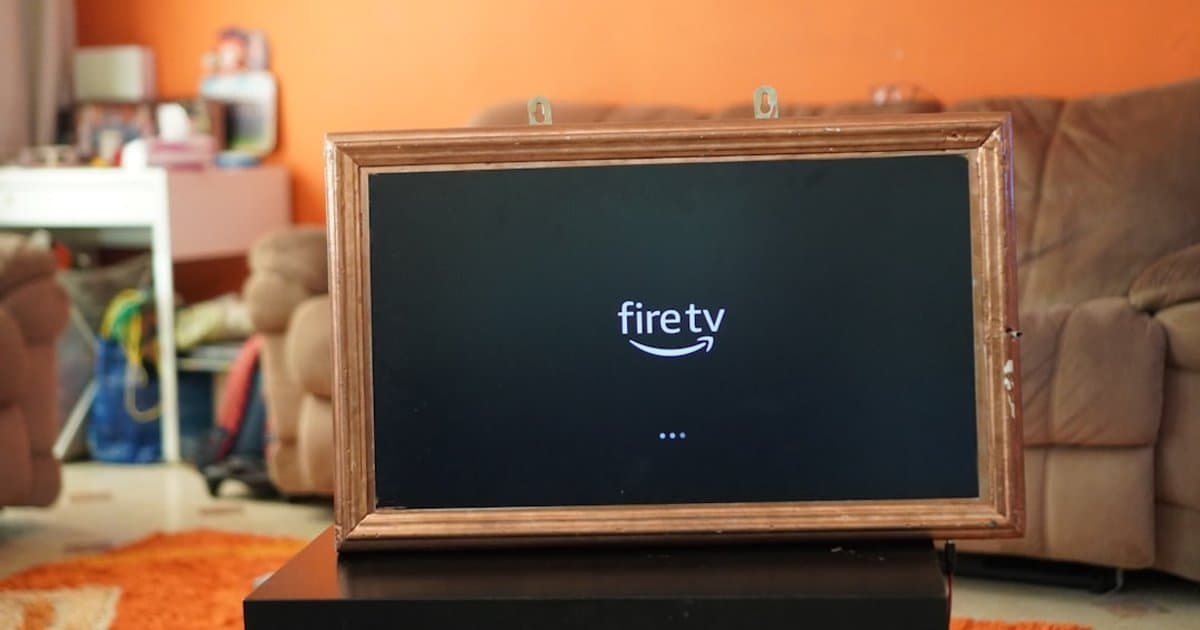
Let's start with the good news. Amazon just pushed out a major update to its Fire TV app on Android, and it's not just a fresh coat of paint — it's a fundamental rethinking of how you interact with your TV from your phone.
The redesigned Fire TV app now lets you view content directly on your phone and cast it to your TV, which sounds basic but is actually a clever pivot. Instead of your phone being just a glorified remote control, it's now a full viewing device that can push to the big screen when you want. The UI overhaul makes finding something to watch faster, which is honestly what every streaming interface should prioritize but most don't.
Amazon clearly sees the mobile app as a gateway drug to its Fire TV ecosystem. Make the phone experience smooth enough, and people will naturally want that same content library on their actual television. It's smart distribution strategy disguised as a UX improvement.
What's Actually New in the Fire TV App
The updated Fire TV app isn't just prettier — it's more functional. Here's what Amazon changed:
Redesigned Interface: The whole app got modernized with cleaner navigation and better visual hierarchy. No more hunting through nested menus to find the remote control function or your watchlist.
Direct Viewing: You can now watch Fire TV content directly on your Android phone without needing to cast first. This is huge for people who want to catch up on shows during commutes or in bed without disturbing a partner.
Improved Casting: The casting functionality got smoothed out, making it easier to throw content from your phone to your TV when you're ready for the big screen experience.
Faster Discovery: The interface redesign specifically targets the "what should I watch" paralysis that plagues every streaming service. Better search, better recommendations, less scrolling through endless content tiles.
The technical implementation here is straightforward but effective. Amazon is essentially making the mobile app a first-class citizen in the Fire TV ecosystem rather than a second-screen afterthought. The app now functions as both a standalone streaming client and a remote control, depending on context.
Meanwhile, Cable Networks Are Abandoning Ship
While Amazon is doubling down on its TV app presence, cable networks are moving in the opposite direction. Another cable TV network just announced it's shutting down its app on Roku, Google TV, and other streaming platforms — the latest in a growing trend of traditional media companies retreating from the streaming battlefield.
This isn't surprising if you've been watching the industry. Building and maintaining streaming apps across multiple platforms is expensive. You need separate development teams for Roku, Fire TV, Google TV, Apple TV, Samsung's Tizen, LG's webOS — the list goes on. For cable networks with declining audiences, the ROI just isn't there anymore.
The New Gatekeeper Layer Nobody's Talking About
Here's where it gets interesting: this TV app whiplash is exposing a new gatekeeper layer in the streaming ecosystem. The platforms themselves — Roku, Amazon Fire TV, Google TV, Apple TV — have become the real power brokers.
Cable networks used to control distribution because they owned the cables going into your house. Now? They're begging for shelf space on someone else's platform. And those platforms take a cut, control the user interface, own the customer data, and can change the rules whenever they want.
Amazon rebuilding its Fire TV app while cable networks shut theirs down isn't a coincidence. It's a power shift. The companies that control the TV operating systems and app platforms are eating the companies that just make content. Netflix and Disney understood this early — they built their tech infrastructure to be platform-agnostic and invested heavily in their apps. Traditional cable networks tried to half-ass it, and now they're paying the price.
What This Means for Cord Cutters
If you've cut the cord or are thinking about it, this divergence tells you everything you need to know about where to place your bets. The platforms with strong app experiences and deep pockets (Amazon, Google, Apple, Roku) are going to keep improving. The legacy cable networks trying to straddle both worlds are going to keep pulling back.
This also means more content consolidation is coming. As smaller networks shut down their standalone apps, they'll either license their content to the big streamers or disappear entirely. That's good for user experience — fewer apps to juggle — but potentially bad for content diversity and pricing power.
The Technical Reality of Multi-Platform Apps
Let's be real about why cable networks are struggling while Amazon thrives. Building a good TV app across multiple platforms requires:
Platform-Specific Development: Each TV OS has its own SDK, design patterns, and performance characteristics. You can't just write once and deploy everywhere.
Ongoing Maintenance: Every OS update can break your app. You need dedicated engineers monitoring and fixing issues constantly.
Infrastructure Costs: Streaming video at scale requires serious backend infrastructure — CDNs, encoding pipelines, DRM systems, analytics platforms.
User Acquisition: Getting people to download and use your app when they already have Netflix, YouTube, and Prime Video is brutally expensive.
Amazon has the technical talent and financial resources to do this well. A mid-tier cable network? Not so much. They're learning the hard way that distribution in the streaming era requires tech company capabilities, not just content libraries.
The Bottom Line
The TV app landscape is splitting into winners and losers, fast. Amazon's investment in redesigning and improving its Fire TV app shows a company that understands mobile is the front door to the living room. Meanwhile, cable networks shutting down their apps across major platforms are waving the white flag.
This isn't just about apps — it's about who controls the future of television. The platforms that own the OS and the user relationship are winning. The content companies that don't invest in technology are becoming glorified content licensors. If you're a consumer, stick with the platforms that are investing in better experiences. If you're a content company without a serious tech strategy, it might be time to admit you're in the wrong business.